Signs Your Artificial Grass Needs Repair
If you notice signs your artificial grass needs repair, local service providers can evaluate and fix issues to restore your turf’s appearance and functionality.
If you’ve noticed areas of your artificial grass that look worn, uneven, or show signs of damage, you’re not alone. Property owners in the area often find themselves inspecting their turf after experiencing issues like flattened patches, loose seams, or discoloration. Recognizing these signs early can help prevent further deterioration and ensure your outdoor space remains attractive and functional. For those unsure whether repairs are needed, understanding common indicators can make the decision easier and more straightforward.
Many local contractors who specialize in artificial turf repair are equipped to handle a variety of issues that may arise over time. Whether it’s fixing seams that have come apart, restoring flattened sections, or addressing underlying damage, these professionals can assess the condition of your turf and recommend appropriate solutions. Keeping an eye out for these common signs and consulting with experienced service providers can help maintain the appearance and longevity of your artificial grass, ensuring it continues to serve your property well.
- when signs of uneven surface or bald patches appear, local contractors can assess and repair damaged areas to restore uniformity. - if the artificial turf shows signs of tearing or loose seams, service providers can reseal and reinforce sections to prevent further deterioration. - in cases where discoloration or fading occurs, local pros can perform cleaning or replacement to improve the turf’s appearance. - when odors or mold develop due to trapped debris or moisture, experts can sanitize and address underlying issues to maintain a clean surface. - if the turf becomes loose or starts lifting at edges, service providers can re-secure and stabilize the installation for a safe, level surface.
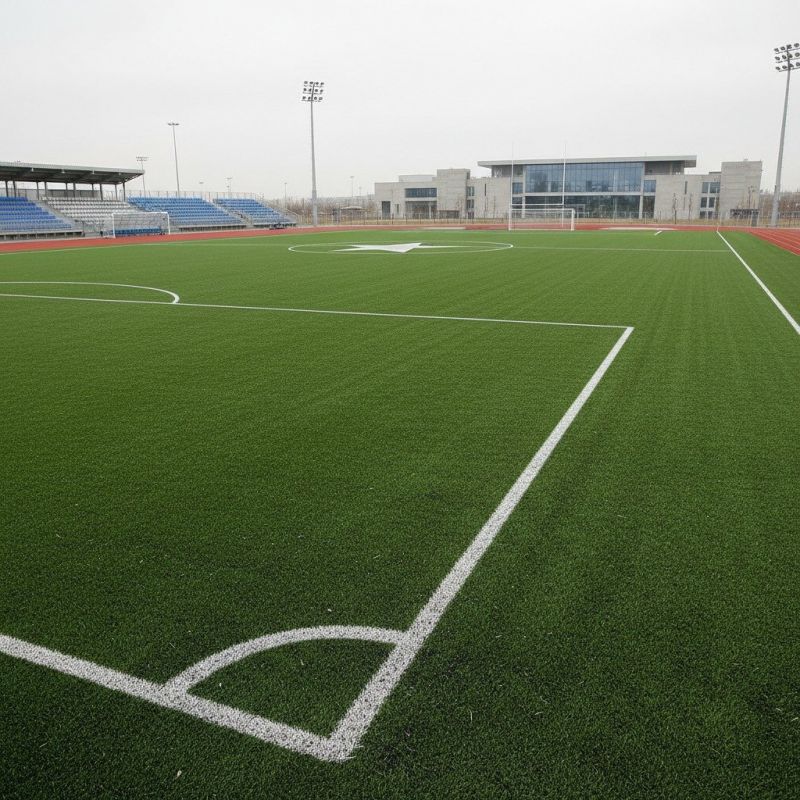
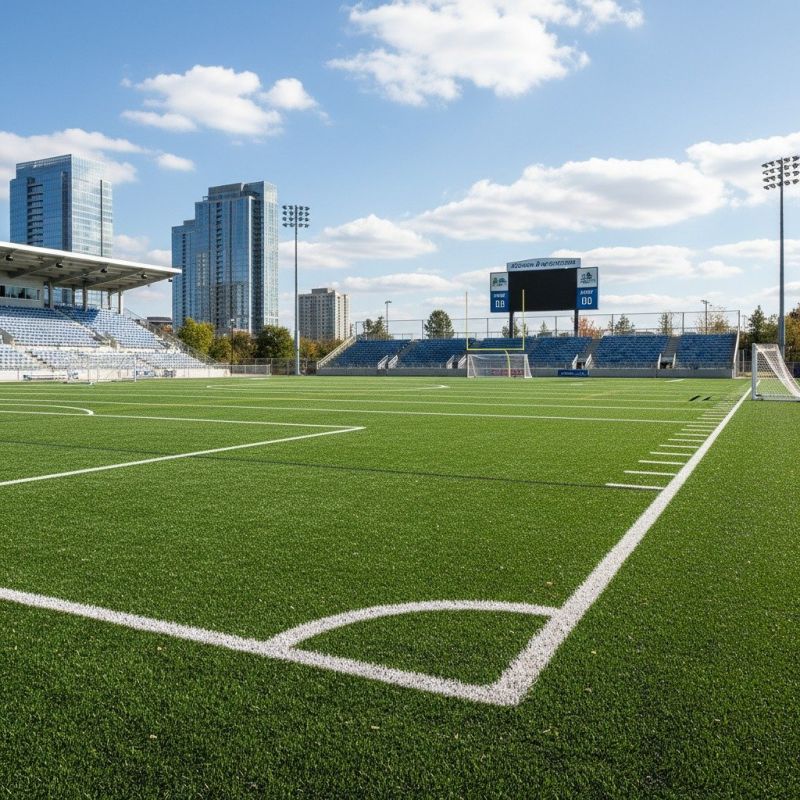
When homeowners search for signs your artificial grass needs repair, they are often trying to identify issues that compromise the appearance, safety, or functionality of their synthetic turf. Artificial grass is a popular choice for lawns, sports fields, patios, and playgrounds because of its low maintenance and durable surface. However, over time, exposure to weather, foot traffic, and other environmental factors can cause wear and damage. Recognizing early warning signs helps property owners determine when professional repair services are needed to restore the turf’s look and performance, avoiding further deterioration.
This topic relates closely to common problems like uneven surfaces, visible seams, or areas where the grass appears flattened or matted. Damage can also manifest as loose or lifted sections, which may become tripping hazards or allow weeds and debris to infiltrate. Homeowners planning to update or maintain their landscape often consider repairs if the turf no longer looks uniform or if patches of the grass are thinning or showing signs of fading. These signs can indicate underlying issues such as improper installation, poor drainage, or general aging, all of which local artificial turf repair contractors are equipped to address.
The types of properties that typically encounter issues with artificial grass include residential yards, commercial properties, sports facilities, and playgrounds. In residential settings, high foot traffic or pet activity can accelerate wear and tear, leading to visible bald spots or tears. Commercial properties with outdoor seating areas or walkways may experience surface damage from frequent use. Sports fields and playgrounds often see more intensive damage due to constant activity, resulting in uneven patches or loose sections that need attention. Recognizing these signs early can help property owners plan for repairs that extend the lifespan of their artificial turf and maintain a safe, attractive environment.
Local service providers specializing in artificial turf repair play a key role in addressing these issues. They can assess the extent of damage, identify underlying causes, and perform the necessary repairs to restore the turf’s integrity. Whether it’s fixing seams, replacing damaged sections, or releveling uneven areas, these professionals have the experience to handle a variety of problems efficiently. For property owners noticing signs such as flattened patches, loose edges, or visible seams, connecting with local pros ensures the turf is properly repaired, helping to preserve its appearance and functionality for years to come.
Landscape Renovation Projects - These involve planning and executing changes to outdoor spaces, requiring skills in site assessment and material installation similar to artificial turf repair.
Drainage System Installation - Proper drainage is essential for artificial grass longevity, and local contractors experienced in drainage can help address issues related to water pooling or erosion.
Ground Leveling and Grading - Preparing the sub-base for turf installation involves planning and soil management skills that are also used when repairing uneven or sunken artificial grass.
Synthetic Surface Replacement - Replacing worn or damaged synthetic surfaces in sports courts or playgrounds shares techniques with turf repair, including surface preparation and material handling.
Soil and Substrate Preparation - Ensuring a stable foundation for artificial grass involves planning and soil management skills similar to those needed for patching and repairing turf areas.
Weed Barrier Installation - Installing weed barriers beneath artificial grass requires planning and precise installation similar to repairs needed for turf that has lifted or become contaminated.
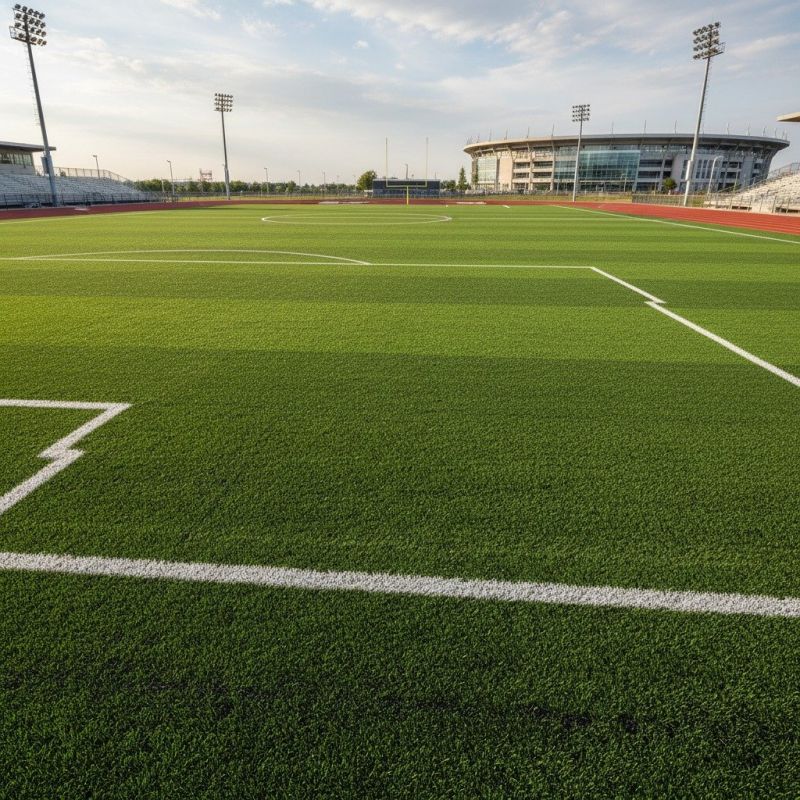
When evaluating potential service providers for artificial turf repair, it is important to consider their experience with similar projects. Homeowners should inquire about the types of repairs they have handled in the past and whether they have worked with artificial grass that exhibits signs your artificial grass needs repair. A contractor with a proven track record in addressing issues like uneven surfaces, matting, or damage from wear can often deliver more reliable results. Reviewing portfolios or asking for references related to previous turf repairs can provide insight into their familiarity with common problems and effective solutions, helping ensure the chosen contractor has the necessary expertise.
Clear, written expectations are essential when comparing local contractors for artificial turf repair. Homeowners should seek detailed descriptions of the scope of work, including what repairs will be performed, materials used, and the estimated timeline for completion. Having this information in writing helps prevent misunderstandings and ensures everyone is aligned on project goals. Contractors who are transparent about their process and willing to provide comprehensive estimates can make it easier to compare options objectively and select a provider that meets specific needs.
Good communication and reputable references are key factors in choosing a reliable service provider. Homeowners should look for contractors who are responsive to inquiries and willing to answer questions about their experience, approach, and previous projects. Asking for references from past clients can offer valuable insights into the contractor’s professionalism, quality of work, and ability to meet deadlines. A contractor who maintains open lines of communication and can provide trustworthy references is more likely to deliver a positive experience when addressing signs your artificial grass needs repair.
Property owners often search for signs your artificial grass needs repair when they are planning practical projects around their homes and businesses. Local pros provide Artificial Turf Repair services for everyday jobs and straightforward project options.
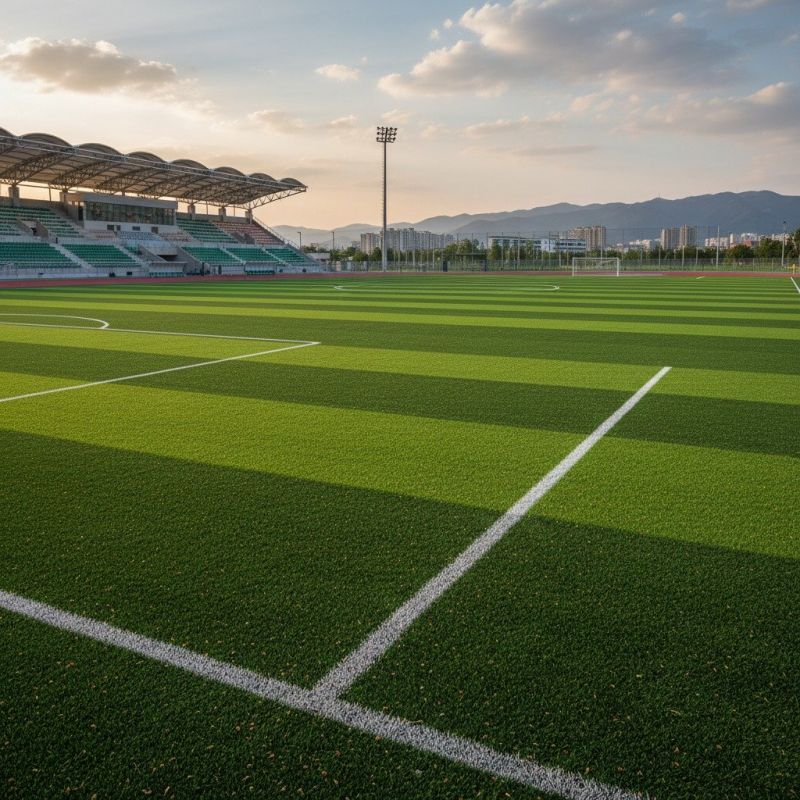
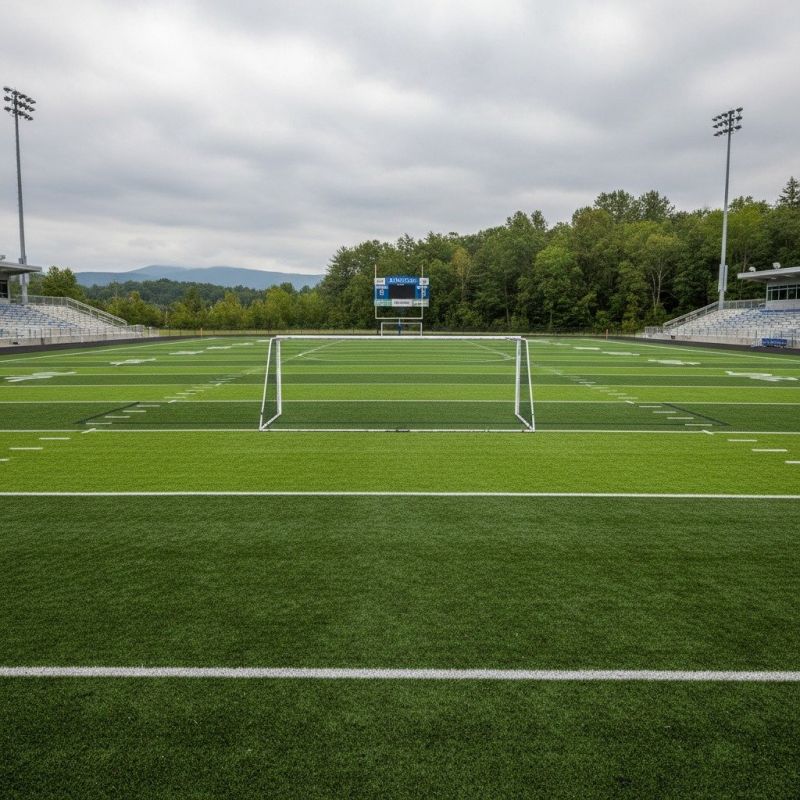
Property owners in the area might notice that their artificial grass shows signs of wear and tear after months of regular use or exposure to the elements. Common indicators include uneven surfaces, loose or lifted sections, and areas where the turf appears flattened or faded. These issues can occur from heavy foot traffic, shifting ground, or sun damage, making the lawn look less appealing and potentially affecting safety. When such problems arise, seeking out experienced service providers who specialize in artificial turf repair can help restore the yard's appearance and functionality.
Other typical signs that artificial grass needs repair include the presence of bald patches, tears, or visible seams that have come apart over time. Sometimes, debris or weeds may start to poke through the turf, or the infill material might become uneven or depleted. These issues not only detract from the overall look but can also lead to further damage if left unaddressed. Local contractors with expertise in artificial turf repair are equipped to evaluate the condition of the lawn and perform necessary fixes, ensuring the surface remains smooth, safe, and visually appealing.
How can I tell if my artificial grass has uneven patches? Uneven patches or areas that appear lifted or sagging may indicate underlying damage or improper installation, and local contractors can repair these issues to restore a smooth surface.
What are signs of damage caused by heavy foot traffic? Excessive wear, flattened areas, or bald spots often result from heavy use, and local service providers can repair or replace affected sections to maintain a natural look.
How do I recognize if my artificial turf has infill displacement? If the infill material appears sparse, uneven, or has shifted, it can impact the turf's stability, and local pros can replenish or redistribute infill as part of repair services.
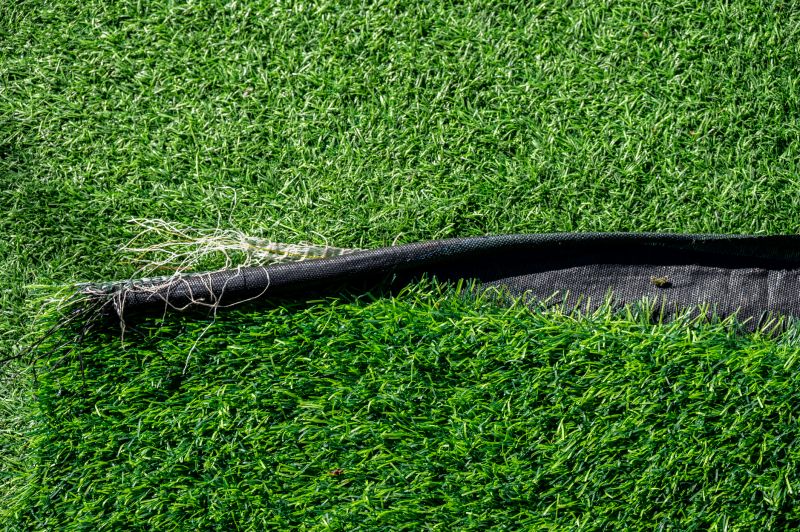
What indicates that the turf’s backing or seams are compromised? Visible tears, separation at seams, or loose areas suggest damage to the backing or seams, which can be addressed by local contractors to prevent further deterioration.
When should I consider repair due to fading or discoloration? Significant fading or uneven discoloration may point to UV damage or wear, and local service providers can perform repairs to improve the turf’s appearance.
Uneven surface or bumps - noticing areas where the artificial grass feels lumpy or uneven can indicate underlying issues that require professional repair.
Fading or discoloration - areas of turf that have lost their color or look patchy may need restoration or patching services from local contractors.
Loose or lifted edges - edges that are curling or lifting away from the ground can lead to further damage and should be addressed by experienced repair specialists.
Visible damage or tears - tears, holes, or worn spots in the turf suggest that repairs are needed to prevent further deterioration and maintain appearance.
If you are thinking about signs your artificial grass needs repair for a property, this guide is meant to help you understand this topic, the typical project types, and how different options might fit your plans.
When you are ready, you can use the quote form on this page to share a few details about your project. From there, local pros can review the basics and follow up with options that match what you have in mind.